
Youth Strength Training in Raleigh, NC
Athletic Strength Training
Build Strength. Train with Intent.
DiamondFit strength training helps young athletes build coordination, stability, and power so they can handle the demands of their sport.
Why Should I Start Strength Training?
Every sport asks for the same things: explosiveness, precision, endurance, and the ability to hold form when it matters. Strength is what makes all of it possible.
It works by improving intra- and intermuscular coordination and strengthening the musculo-tendon units that absorb impact.
Translation for those of us without an exercise science degree? Stronger athletes perform better and get hurt less.
Foundations of Strength
Stability, Flexibility, Mobility
The range of motion and control every other movement is built on.
Neuromuscular Control
A sharper mind-muscle connection, so movements come out coordinated and precise.
Power
Quicker sprints, higher jumps, harder hits.
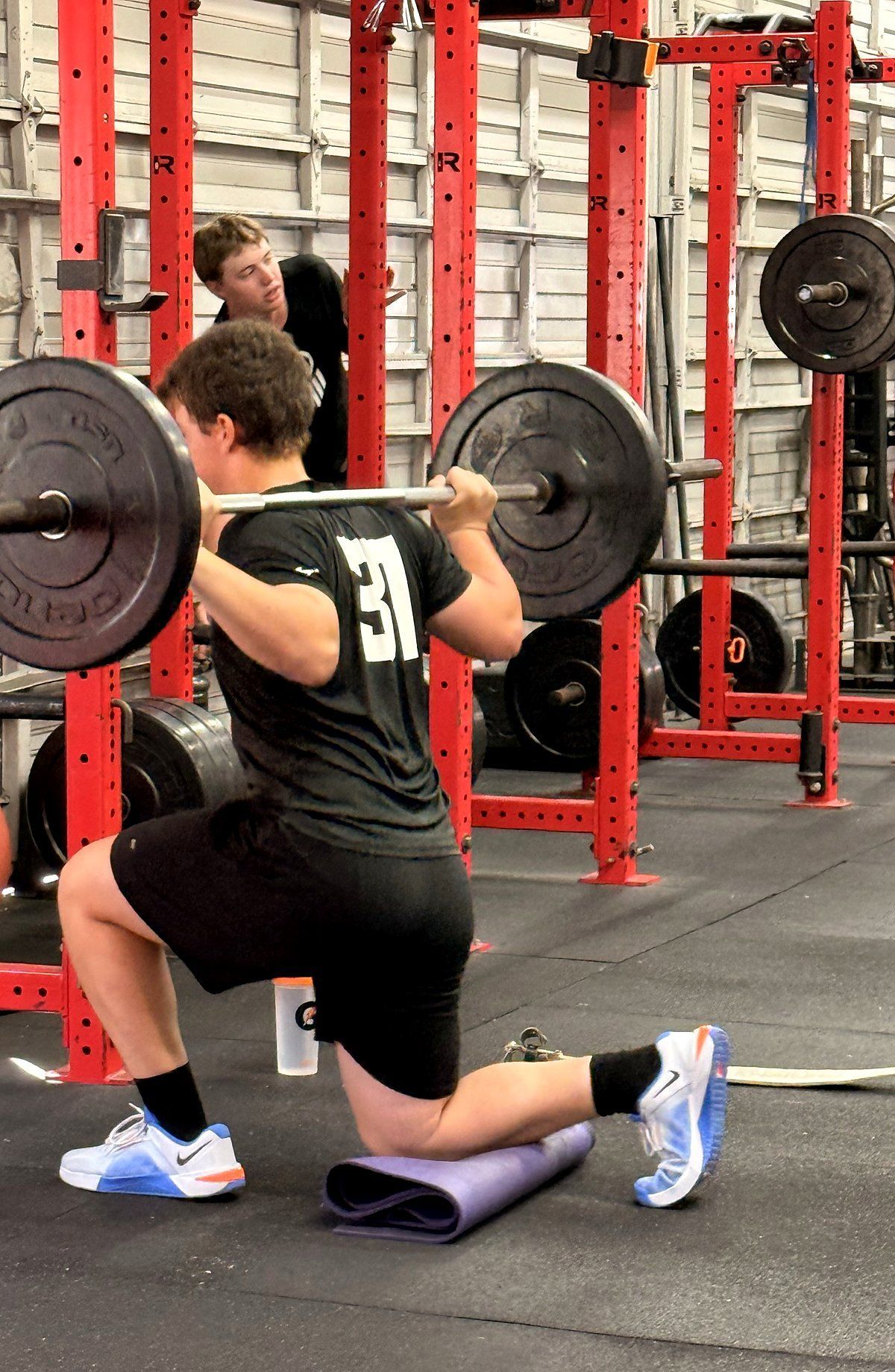
A Science-Driven Approach to Strength
Every plan is customized to the athlete's sport and goals, and it targets neurological adaptation and muscular coordination, the things that turn strength into power on the field.
An Intentional Approach to Athletic Performance Development Regardless of Sport or Ability
Data-Driven Results
Data is vital to the success of our programs and the effectiveness of our training. Our DiamondFit coaches design tailored strength training plans to challenge each athlete. We monitor performance data and data trends to increase performance and keep athletes on track while peaking them at strategic seasonal periods.
Performance Reporting
Our team gives a detailed explanation of each athlete's development over the course of our programs and training plans.
Seasonal
Peaking
We peak and rest our athletes at strategic times during their specific sport season to optimize results.
Structured Development
Data from our athletes helps our coaches plan proper workout intensity to increase performance while protecting against injury.
Clear
Milestones
Our programs help athletes achieve specific milestones before progressing to higher and more advanced tiers.
Training Shouldn't Stop When the Season Starts
Every college strength program trains its athletes year round.
The athlete who stops training when the season starts spends the next off-season rebuilding what the season took. Three years of that and they're close to where they started. The athlete who never stopped is three years ahead.
Our own daughter is a Level 10 gymnast. Twenty-two hours a week in her sport, and she still comes to us twice a week. Those two days are what keep her from losing ground once competition season starts, and what helps to keep her free from major injury.
Up to 1,900 lbs: that's what a 120-pound gymnast's legs absorb on a single landing, 7 to 16 times her body weight, in a fraction of a second, hundreds of times a week.
The weight room is where she builds legs strong enough to take it.
Citation: Biomechanics of landing in gymnasts, Frontiers in Sports and Active Living, 2025
Make the commitment. Stick with it. The payoff is bigger than you're hoping for, and you can ask us how we know.
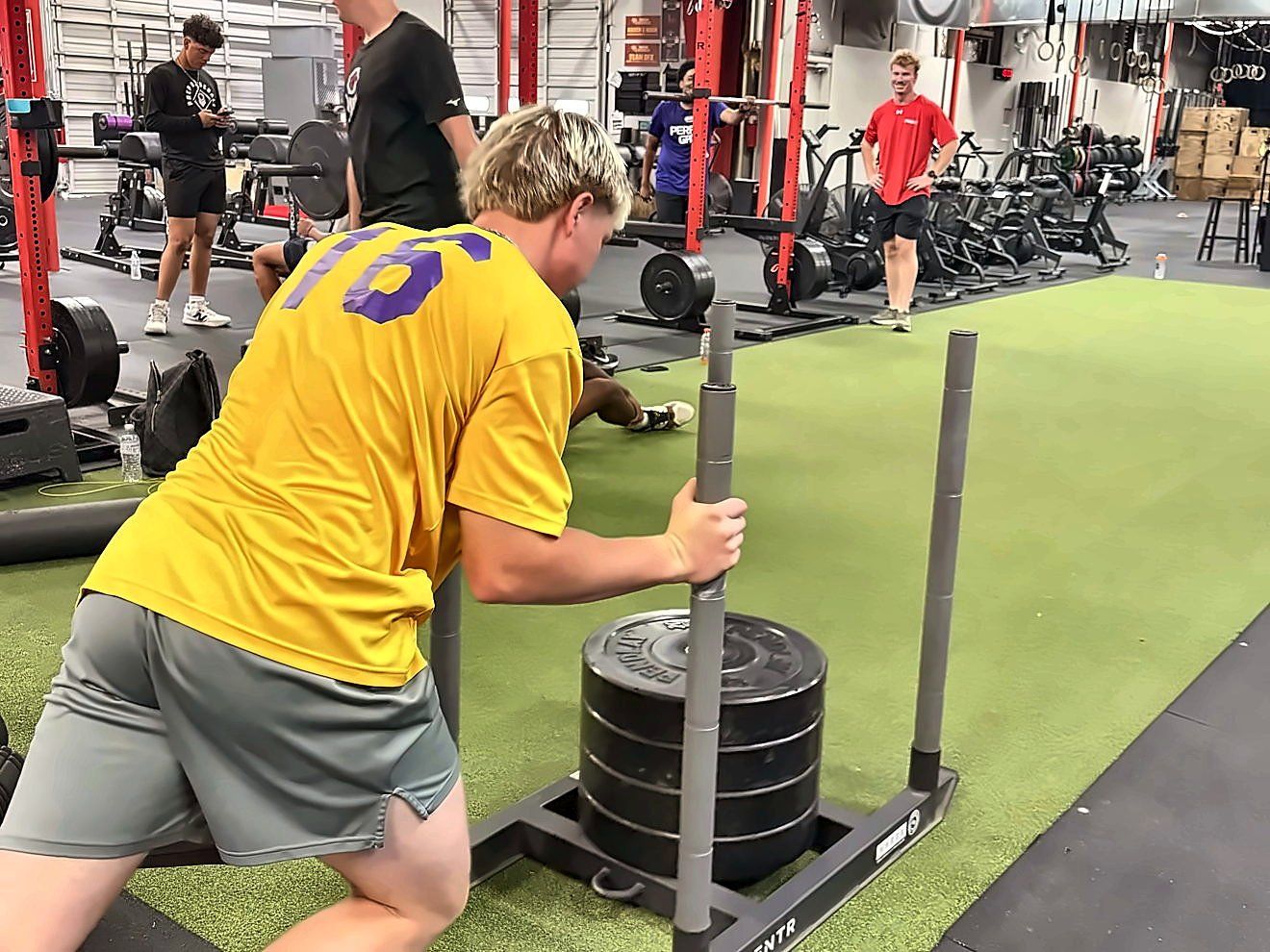
How Old Should An Athlete Be to Begin Strength Training?
It's coach's discretion, generally around ten. What matters is whether an athlete has the maturity to participate in class as well as the coordination to do the basic movements without losing form. That isn't the same age for every kid.
New athletes begin in our Program Zero to learn the basics before progressing to any heavy weight lifting.
How can DiamondFit strength training help me?
Your coach builds the program around your sport, your goals and your assessment numbers. DiamondFit coaches are highly qualified, and most hold an undergraduate degree in exercise science.
It takes a committed partnership to see real change. We work with athletes who want to be better. The desire is already there; we provide the tools.
Training Schedule
Ready To Improve Your Strength?
Show your coach you've been putting in the work. Start with a free athlete assessment.